The Retirement of Storm Shadow: A Sign of Where Modern Warfare is Heading
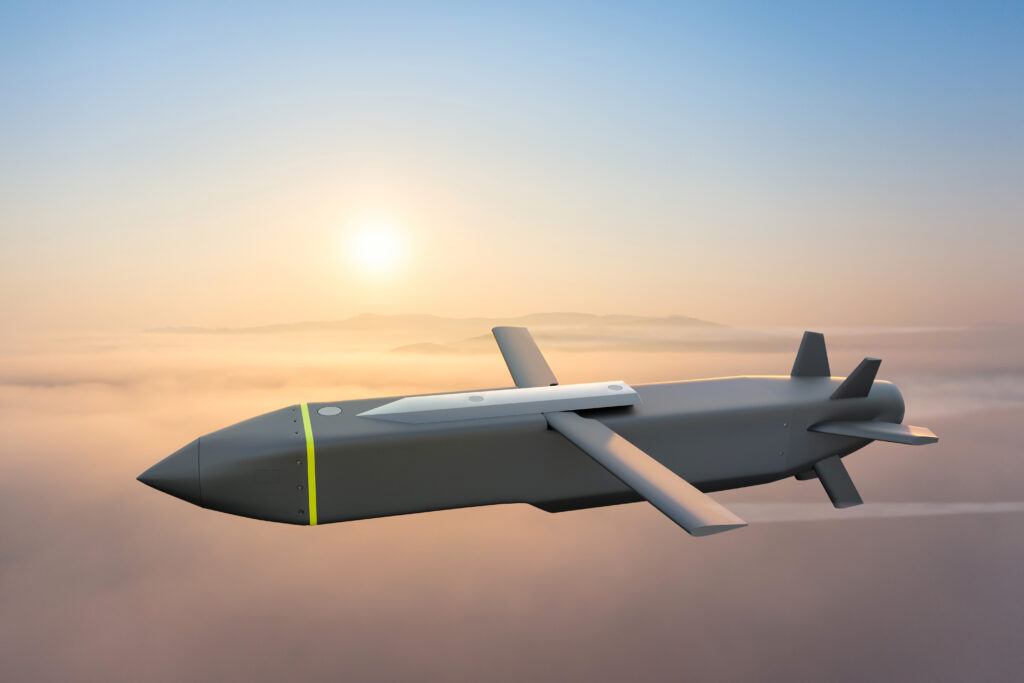
The reported move towards the eventual retirement and replacement of the Storm Shadow missile marks more than the end of a successful weapons programme. It highlights how rapidly the character of warfare is evolving. Storm Shadow has been in service since 2003 and has demonstrated the value of long-range precision strike capabilities, most recently gaining significant attention through its use in Ukraine. It is currently expected to remain in service until around 2032, with the UK and France already working towards a successor capability. [nationalse…ournal.org]
What is particularly interesting is not the retirement itself, but the lesson it represents.
For decades, military advantage was often measured by the size of fleets, armies and inventories. Today’s battlefields increasingly demonstrate that information, autonomy, precision and adaptability are just as important as firepower.
The conflict in Ukraine has accelerated several trends:
• Long-range precision effects rather than mass attacks
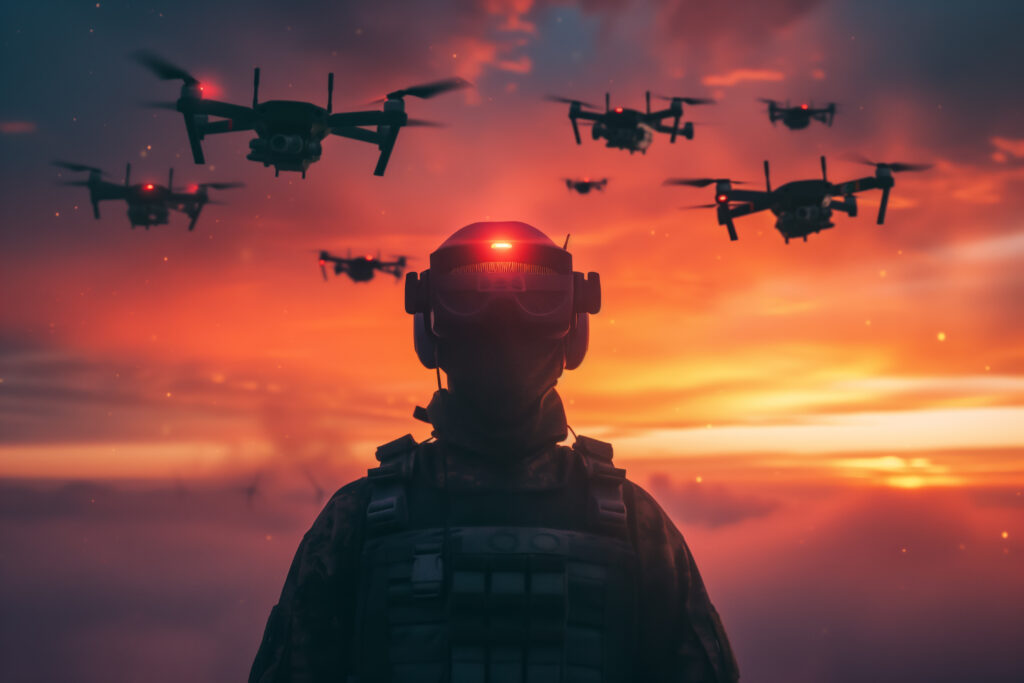
• Low-cost unmanned systems challenging traditional high-value platforms
• Real-time intelligence and data integration driving faster decisions
• The growing importance of electronic warfare, cyber capabilities and resilience
• Rapid innovation cycles replacing decades-long procurement programmes
The future battlefield is unlikely to be dominated by a single platform or weapon system. Instead, success will come from the integration of multiple technologies, combining missiles, drones, AI-enabled decision support, space-based assets and networked sensors into a single operational picture.
The replacement of Storm Shadow is therefore not simply about building a better missile. It is about creating a capability that can operate within a far more connected, data-driven and contested environment. The challenge for defence organisations will be maintaining technological superiority while keeping pace with increasingly agile and cost-effective threats. [nationalse…ournal.org]
As in business, competitive advantage rarely belongs to the largest organisation. It belongs to those that can adapt the fastest.
What lessons do you think industry and defence can learn from the shift towards more agile, technology-driven warfare?